
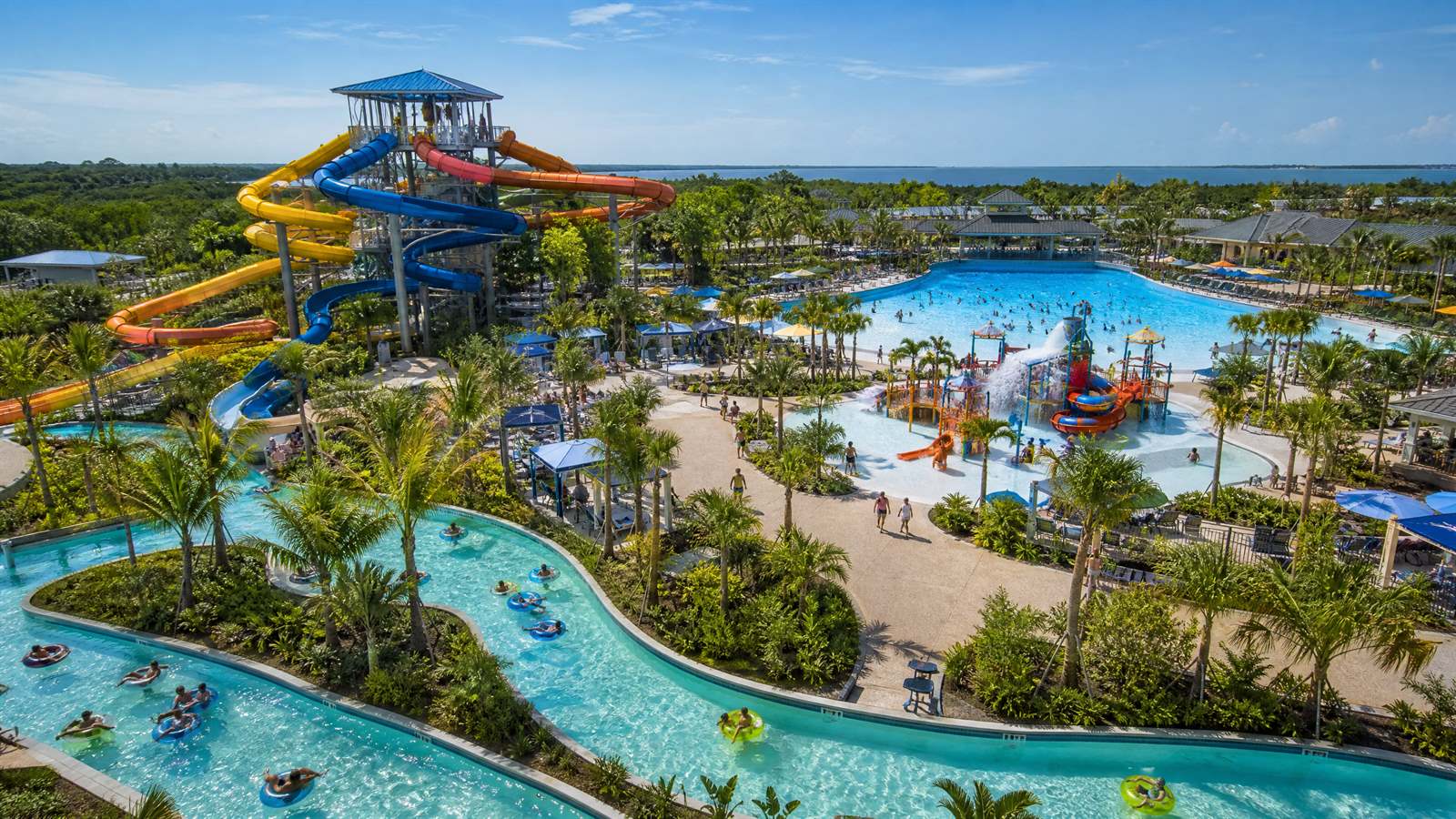
On-site chlorine generator (in situ) for large pools and clubs.
The Sanitation chlorine generator produces sodium hypochlorite right in the plant room, from salt, water and electricity. In other words, the club stops buying tablets, granules and drums of chlorine and starts generating its own disinfectant, at the exact dose for its bather load.
In high season, buying chlorine means cost, waiting in line and risk.
Anyone managing a large pool lives with three liabilities that show up precisely when the club is full — and those are exactly what an on-site chlorine generator solves.
Costs that rise with attendance
Chlorine consumption soars on holidays and in summer. On top of that, tablet and granule prices keep rising, and every refill comes with freight. As a result, the treatment budget never closes as planned.
Hazardous product stock
Drums, jugs and bags take up the plant room, with expiry dates, loss of active content and storage requirements. The club ends up carrying a chemical liability that is not part of its business.
Unstable residual and unhappy bathers
Manual dosing fluctuates with the number of bathers. At some times there is excess combined chlorine, a strong smell and eye irritation; at peak use, chlorine runs short exactly when it is most needed.
Sanitation: the club produces its own chlorine by electrolysis.
The Sanitation generator produces sodium hypochlorite right in the plant room, through brine electrolysis. The NaCl solution flows through titanium electrolytic cells and, under controlled current, the chloride is oxidized, generating active chlorine on the spot. The current sets the dosage, allowing the residual to be adjusted to the bather load and recirculation of each pool — continuously and automatically.
Important: this is not a saltwater pool. The salt stays in the brine, inside the plant room — the pool only receives the hypochlorite dosed into the recirculation line.
From salt to hypochlorite, right inside the plant room.
The chlorine generator works in four continuous stages. While the pool recirculates, the equipment replaces the chlorine consumed, with no manual intervention.
Salt + water
First, brine is prepared in the salt dissolver with ordinary salt and water — no hazardous inputs at the club.
Electrolytic cell
Next, the generator's reactor converts the brine through electrolysis: the electric current releases the active chlorine.
Sodium hypochlorite
The solution, at about 0.8%, is generated on the spot and stored in its own tank, ready for use.
Dosing into recirculation
Finally, dosing pumps inject the hypochlorite into the filter return line, keeping the residual at the setpoint.
Chlorine generators for clubs, water parks and resorts.
The larger the water volume and the bather turnover, the faster on-site generation pays for itself.
Recreational and country clubs
Multiple pools — kids' pool, semi-Olympic and leisure pools — served by the same generation unit, with independent dosing per circuit.
Water parks and resort parks
High bather turnover, water slides and lazy rivers require chlorine to be available without interruption. Continuous production ends the rush to restock.
Hot springs and thermal water complexes
Heated water consumes more chlorine and speeds up the formation of combined chlorine. Controlled dosing keeps the residual stable even at high temperatures.
Resorts and hotels
Pools, swim-up bars and spas with a hospitality standard to uphold — no chlorine smell in the leisure area and no drums moving around the hotel.
Large residential complexes
Eliminates recurring purchases and the storage of chlorine products in common areas, reducing risk and simplifying the condominium's accountability.
Aquatic centers and training pools
Intensive use by athletes requires stable residual and pH. Automated control protects the comfort and performance of those who train every day.
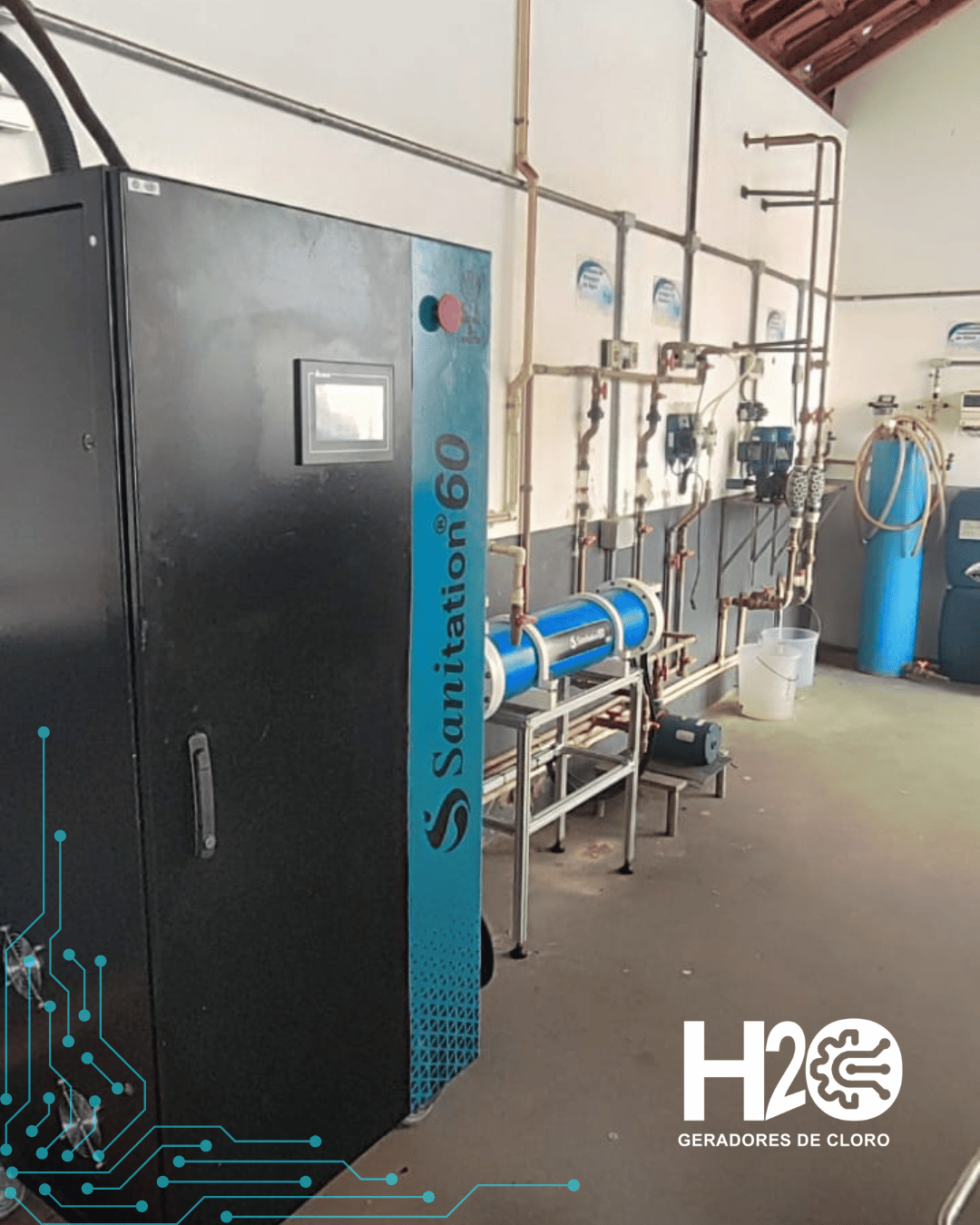
Thermas dos Laranjais produces 60 kg of chlorine per day, right at the park.
Clube Doutor Antônio Reis Neves, in Olímpia, São Paulo State, needed a reliable chlorine source for the water treatment plant at Thermas dos Laranjais, which supplies both drinking water and the park's pools. H2O supplied a chlorine generator with HMI technology and a capacity of 60 kg/day of chlorine in continuous operation. The scope included electrical, hydraulic and automation installation, the dosing pumps in the plant room, start-up with validation of rated capacity, and hands-on and theoretical training for operators. As a result, the park stopped buying chlorine and started producing its own disinfectant, at the exact dose it needs.
Benefits of a chlorine generator for club operations.
Predictable savings
The chlorine generator uses a local input — ordinary salt — with no supply contracts, recurring freight or losses from expiry. The cost per kg of chlorine stays predictable throughout the season.
Operational safety
Eliminates the transport, storage and handling of concentrated oxidizers, reducing risk for the maintenance team and the club's visitors.
Bather comfort
A stable residual at the setpoint means less combined chlorine, less odor and less eye irritation. In other words, the water is at its best exactly on the busiest days.
Autonomy in high season
Production happens on demand, at the club's own pace, without depending on supplier deliveries over holidays or third-party minimum stock.
No stabilizer build-up
The hypochlorite generated adds no cyanuric acid or calcium. Chlorine keeps responding to dosing, and the water does not need to be replaced to unlock the residual.
Sustainability
Fewer freight emissions, less packaging and a smaller logistics footprint. In other words, cleaner disinfection, aligned with the venue's environmental message.
On-site chlorination vs. tablets, granules and purchased chlorine.
See side by side what changes when a club installs a chlorine generator instead of buying ready-made product.
Questions from those who look after the club's pool.
Does the chlorine generator turn the pool into a saltwater pool?
Does the system add cyanuric acid or calcium to the water?
What pool size justifies a chlorine generator?
How much salt and electricity does the chlorine generator use?
Does it comply with Brazilian standard NBR 10339 and health authority requirements?
Does H2O handle installation and staff training?
Let's size the chlorine system for your club.
Tell us your pool volume, average bather load and how the water is treated today. We will get back to you with a custom chlorine generator design and quote for your venue.